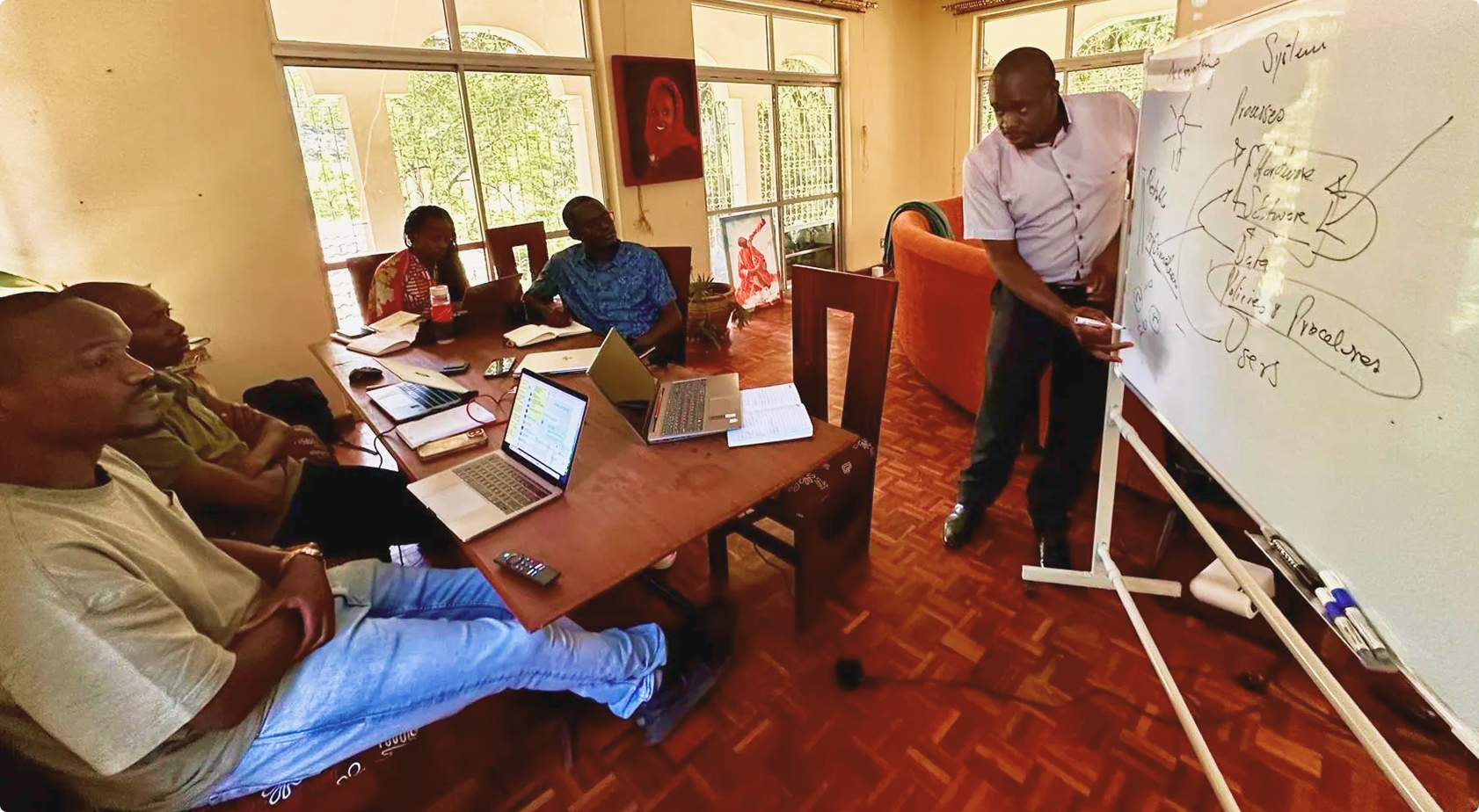

Why Kyle Chose Kenya
After graduating in Biomedical Engineering from Brown University, Kyle faced a choice that most people in his position didn't think twice about: take a job in consulting or finance in New York and know exactly what the next ten years would look like, or go to Africa and not know what the next ten days would hold.
He visited Ghana, Uganda, Ethiopia, Rwanda, and Tanzania, and eventually landed in Kenya. His reasoning was unusual, but practical: Kenya had blue cheese in the supermarket. That showed there was a growing middle class, working infrastructure, and active local businesses, strong signs that Kenya had real business potential.
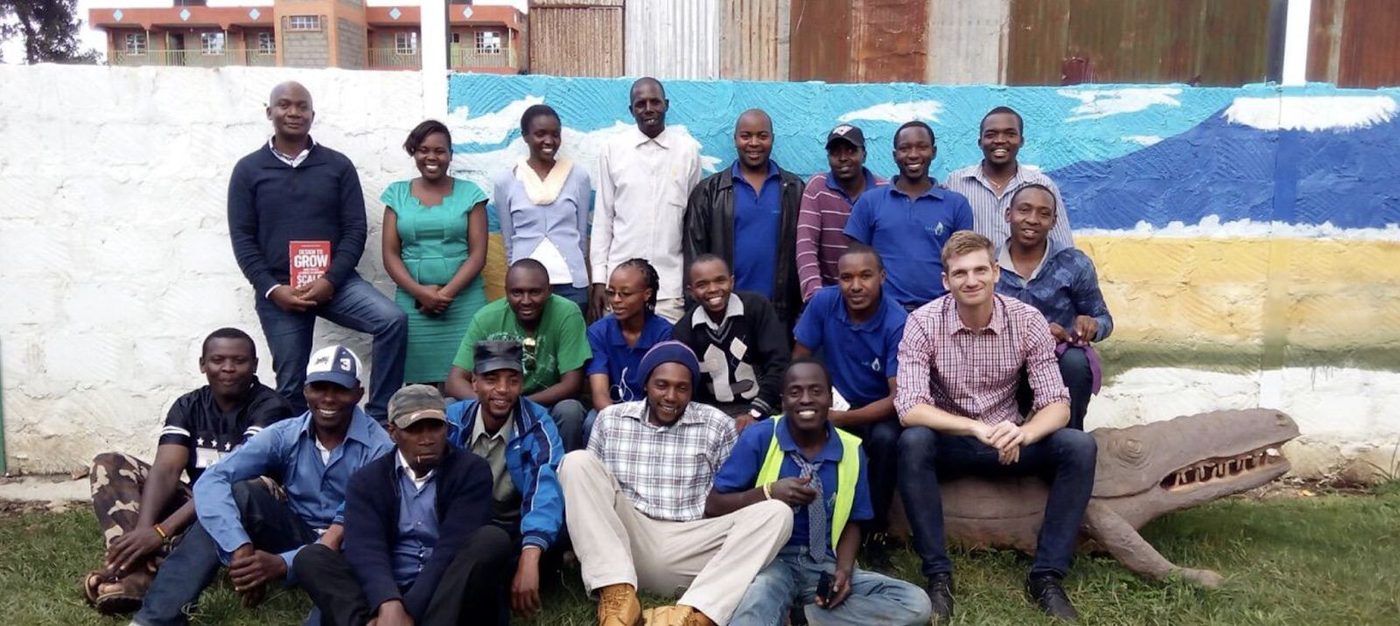
The Businesses That Shaped The Thesis
What built Kuzana wasn’t one breakthrough moment; it was Kyle’s 15-year journey of experimentation, resilience, and real-world business lessons that transformed how he thinks about growth and sustainability.
- 01Nairobi · Biogas Business · 5 YearsKyle moved to Nairobi and spent five years building a biogas company, raising $1M and securing a patent. Despite the innovation, the business struggled because the model and the customer market were misaligned.
- 02Nairobi · Thai RestaurantAfter the biogas venture, Kyle launched a Thai restaurant in Nairobi that became profitable from the very first month, proving how powerful repeat customers and the right market positioning can be.
- 03Silicon Valley → Motorcycle Journey SouthTo strengthen his sales skills, Kyle moved to Silicon Valley. But feeling disconnected from the path, he left midway and rode south on a motorcycle in search of clarity and a deeper purpose.
- 04Peru → East Africa · $20M RaisedWhile in Peru, Kyle reconnected with networks across East Africa and began helping businesses raise capital, eventually mobilizing more than $20M for companies operating throughout the region.
- 05A Bigger RealizationOver time, Kyle noticed that flashy startups often struggled, while “boring” businesses quietly succeeded. That insight inspired a mission to help founders build practical, profitable, and sustainable companies.
Why Boring Businesses Win
After helping raise more than $20M for businesses across East Africa, he began noticing a clear pattern. The flashy tech and impact startups, the ones attracting media attention and investor excitement, often struggled to build sustainable businesses.



How Kyle Thinks About Building Businesses
Kyle does not see himself as a traditional investor sitting on the sidelines. He prefers working closely with founders, helping them solve real operational challenges, open the right doors, and navigate the difficult decisions that most advisors avoid.
Over the years, he has become deeply skeptical of hype-driven entrepreneurship. Vanity metrics, fundraising announcements, and scaling too quickly without strong foundations are not priorities at Kuzana. Instead, the focus is on building stable, profitable businesses designed to last for decades.
His thinking is shaped by a long-term approach to business building: Kuzana wants to be a partner for decades, not an investor looking for a quick exit. Rather than chasing trends or short-term attention, the emphasis is on focus, operational excellence, and creating businesses with real economic value.
That philosophy ultimately shaped Kuzana’s mission. What started as lessons from a failed biogas business in Nairobi evolved into a conviction that some of the most valuable companies are often the least glamorous, the “boring” businesses quietly creating long-term wealth and impact.
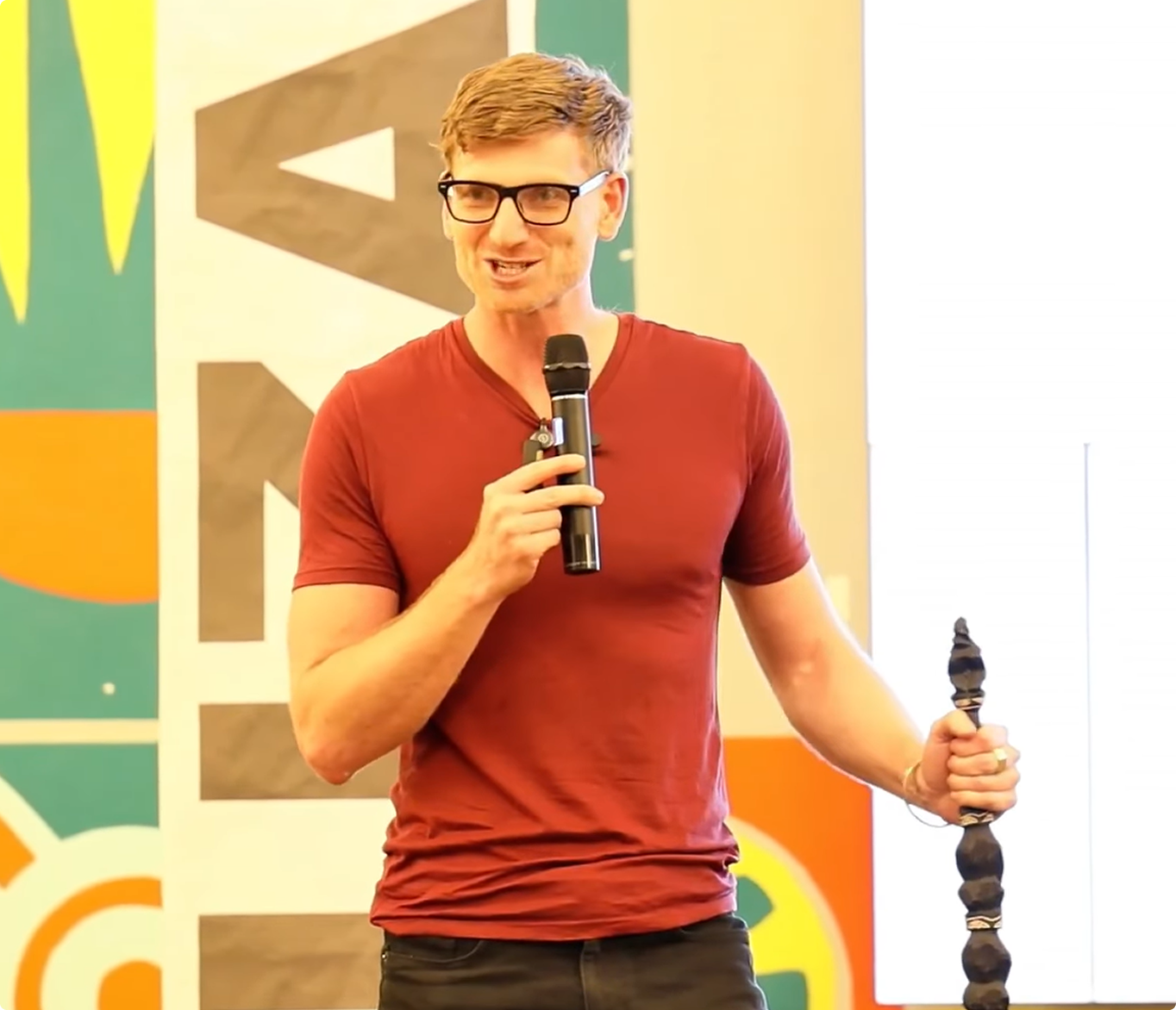
What Kyle Looks for in Kenyan Founders Before Investing
At the early stage, investors evaluate not just the idea, but the founder behind it. In Kenya’s startup ecosystem, resilience, adaptability, and execution often matter more than resources.